Predicted Retention Teardown
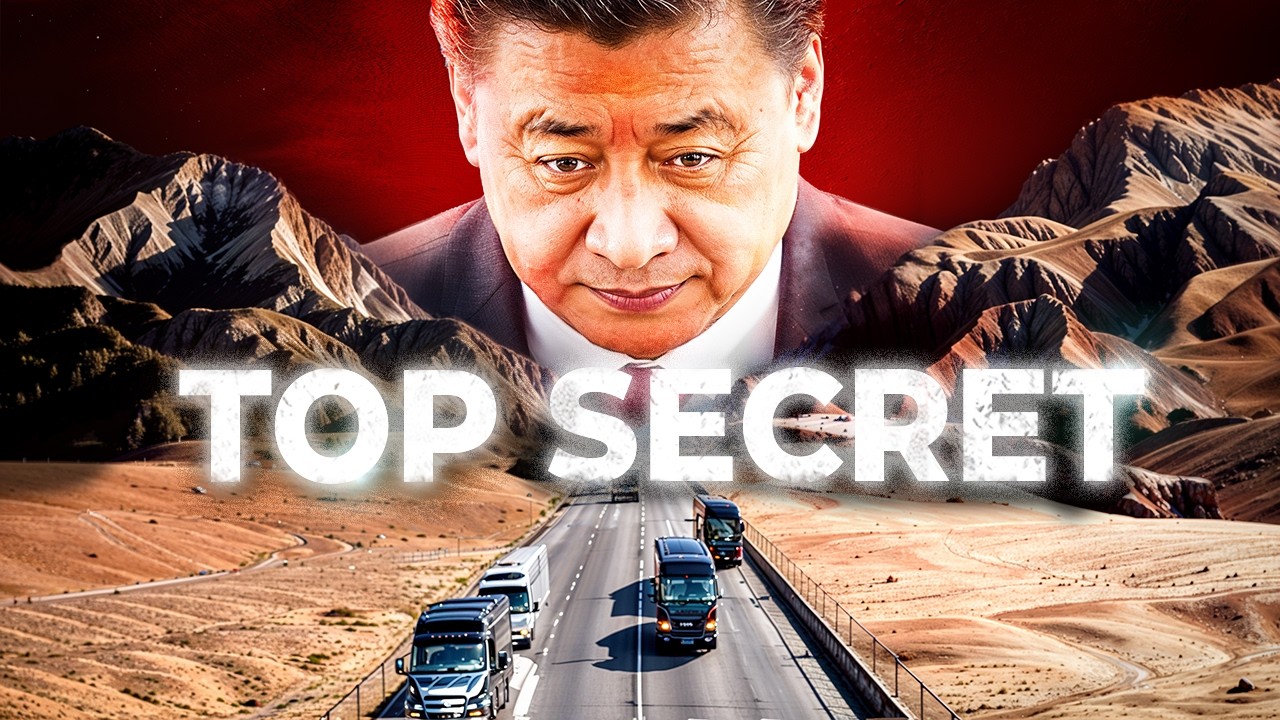
We Investigated China's Secret Highway
By fern · History · 3.4M views · 35:55
The teardown in brief
What's working
- Strong documentary hook (0:00-2:17) that efficiently stacks intrigue: remote location + massive project + global significance + mystery (no footage exists) + reporter deployment. Earns the 2:17 setup time by delivering clear stakes and forward promise.
- Exclusive visual access creates inherent value. Showing footage that 'doesn't exist online' of Taliban-controlled regions delivers on the promise and justifies the 35-minute runtime.
- Satisfying payoff structure. The highway revelation (it's just gravel with no trade activity) answers the mystery while opening deeper questions about why China/Taliban are being secretive. The anticlimax IS the story.
What's costing attention
- Front-loaded history creates a 'gauntlet' before the investigation starts. Viewers endure: Great Game (60s) + empires list (60s) + sponsor (56s) + Soviet war (62s) + Taliban/9/11 (106s) = nearly 6 minutes of context in the first 17 minutes. For documentary this is survivable but tests patience.
- Repetitive 'blocked access' structure. The video cycles through: permit denied → permit granted with restrictions → different authority says no → can't interview → footage deletion demand. By the third iteration, the pattern is predictable and loses tension.
- Disconnected middle section. The women's rights deep-dive (19:01-20:42) and internet restriction segment (20:26-21:10) feel like a different documentary. They're important topics but tangential to the highway investigation, creating narrative drift.
The first 30 seconds
[music] Look at this map of Afghanistan. There's this weird little strip of land that still technically belongs to the country. That's the Vakhan corridor. It's 350 [music] km long and 16 to 64 km wide. The corridor separates Tajikistan and Pakistan and ends at a short border with China. It's one of the most remote reg
Strong Tier 1 delivery for documentary content. The opening 10 seconds establish visual curiosity (map of Afghanistan with weird strip) and immediately name the subject (Wakhan corridor with specific dimensions), reaffirming what viewers clicked for. By 0:30, you've covered: location, scale, remoteness, and stakes ('about to change forever'). The pacing is measured but purposeful — appropriate for the sophisticated audience. Documentary viewers tolerate 10-15 second setups better than entertainment audiences, and this uses that patience efficiently.
How the video is built
- 0:00 Setup & Departure (The Mystery) — Establish the geopolitical mystery (secret highway nobody has documented), introduce the reporter Vali, explain why this is difficult/dangerous, and contextualize Afghanistan's position. Ends with journey beginning from Kabul.
- 8:21 Journey & Obstacles (The Quest) — Vali's multi-day drive toward the Wakhan corridor, encountering Taliban checkpoints, permit struggles, car breakdowns, and escalating restrictions on filming. Each obstacle raises stakes — will he even reach the highway?
- 24:03 Discovery & Documentation (The Revelation) — Vali reaches the highway zone, obtains forbidden footage showing it's just gravel with no activity, interviews nomads about real impact, and repeatedly hits walls of silence from officials. The 'secret' is revealed: the highway is not what was promised.
- 33:04 Analysis & Departure (The Truth) — Geopolitical expert explains why the highway failed (security concerns, infrastructure gaps, China's hesitation). Vali returns to Kabul. Final message: the highway is a 'dream' that contrasts with Taliban's backward governance.
What any creator can steal
- Delay the history lessons until they're contextually relevant to what's on screen
- The women's rights deep-dive (19:01-21:10) belongs in a different video
- The 'access denied' pattern becomes predictable by the third iteration
- Progress updates are scattered — create a clearer journey structure for viewers to track
- The China analysis section (21:32-25:00) should be woven throughout, not dumped in one 3.5-minute block
- Build a 'context budget' into your script planning. For every minute of historical/analytical exposition you write, challenge yourself: can this be 30 seconds instead? Can it be shown visually rather than narrated? Can it wait until it's contextually relevant? Your instinct is to over-explain (natural for complex geopolitical topics), but documentary audiences will trust you to explain as you go rather than frontloading everything.
More teardowns from fern
- Why Otto Warmbier Didn't Survive North Korea
- How Iran’s Leader Was Killed
- The $1 Billion Coca-Cola Machine
- Why the U.S. President Is Almost Impossible to Kill
Want this on your own video?
Add your video's link and its retention graph from YouTube Studio, and Retti shows the moment viewers left and why. Your first review is free.
Run your free review