Pokémon Pokopia Changes Everything for Switch 2
By Just Keep Playing · Gaming · 1.6K views · 13:48
The teardown in brief
What's working
- Audio delivery has good dynamic range (19.3dB) with appropriate energy for commentary format — you sound genuinely excited about the topic without overselling, which builds credibility with enthusiast audiences
- The Breath of the Wild comparison at 5:49 provides a concrete reference point that Nintendo fans immediately understand — this is smart framing because it gives skeptical viewers a mental model for 'what does cultural takeover look like'
- Audience engagement tactics (asking for comments at 5:06, 10:12, and 13:29) are well-placed at natural transition points rather than interrupting flow
What's costing attention
- Hook relies entirely on CLAIMS about the game's success without showing EVIDENCE — no fan reactions, no gameplay clips, no sales charts. Commentary audiences want proof upfront, not promises that you'll explain later
- Circular structure restates the same core thesis (one game changed the narrative) five separate times without building or escalating the argument. Each restatement feels like a new paragraph in an essay rather than progression toward a conclusion
- 2-minute game key card tangent (8:30-10:27) is completely non-progressive — it's interesting trivia but serves zero purpose in proving your thesis about cultural impact. This is 15% of your runtime wasted on a different topic
The first 30 seconds
Pokemon Picopia isn't just the best rated game of the year so far. And it isn't just the best rated Pokemon game of all time, main line or spin-off. It pulled off something way bigger. Something most games, most franchises never get to do. It proved that one game, one game alone can change the entire conversation aroun
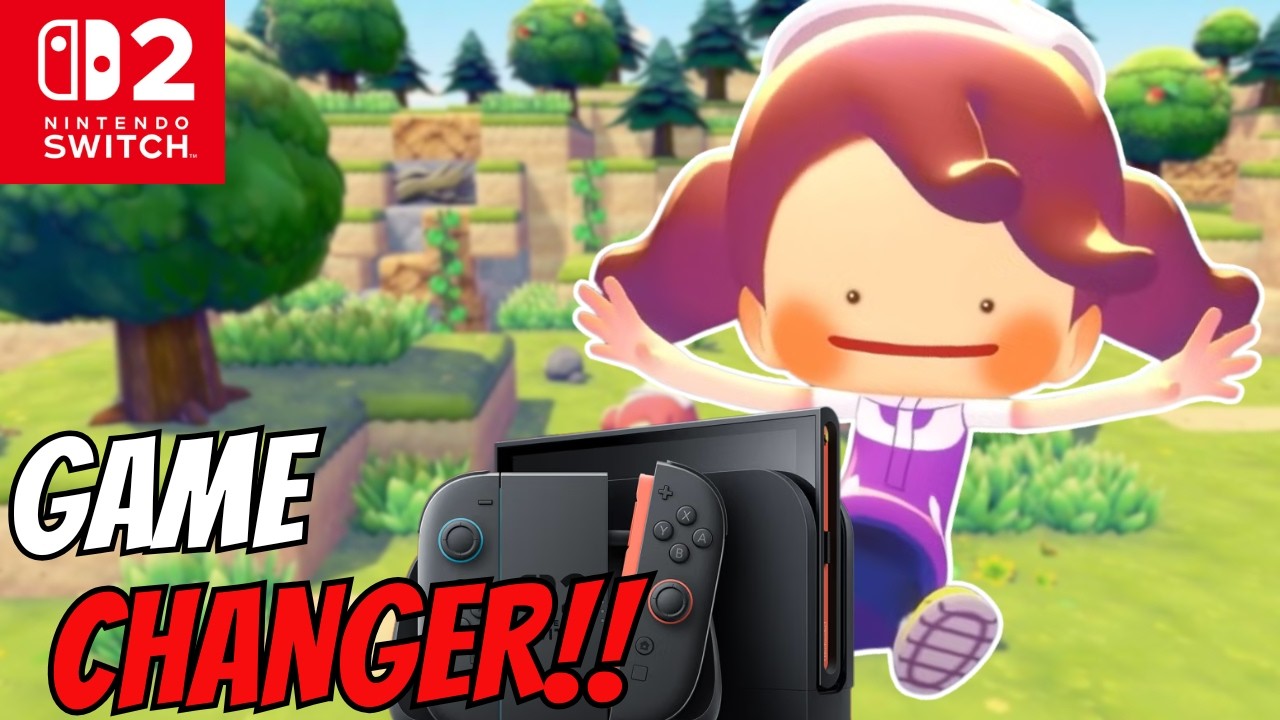
Weak packaging delivery. Your hook spends 40 seconds making superlative claims ('best rated game of the year,' 'best Pokemon ever,' 'changed everything for Switch 2') but shows ZERO visual evidence. Gaming commentary audiences are skeptical of hype — they need proof before they'll accept your premise. Your title/thumbnail probably promised to SHOW this cultural phenomenon (fan reactions, gameplay, community impact), but the opening just TELLS them about it. By the time you finish listing accolades, viewers are bouncing because they're still waiting for confirmation they clicked the right video. The concept is clear (this is about Picopia's impact), but clarity without validation isn't enough.
Where viewers drop
0:00 — Claims-Only Hook (critical)
You open with 40 seconds of superlative claims ('best rated game of the year,' 'best Pokemon game ever,' 'changed everything') but don't SHOW any of it. Your thumbnail probably promised evidence of this cultural moment — gameplay, fan reactions, something visual. Instead, viewers get a disembodied voice making assertions. By the time you finish listing accolades, 40% of your audience is already gone.
Why it matters — The real retention graph shows you lost 40% in the first 30 seconds. That's WORSE than the 20-30% baseline for commentary content. Claims need proof. Your packaging promised a cultural phenomenon — the hook needs to SHOW it immediately, not describe it.
8:30 — 2-Minute Game Key Card Tangent (critical)
At 8:30, right when you've built momentum talking about how Picopia won back lapsed fans, you pivot to a 2-minute discussion about game key cards vs physical cartridges. This is a TOTALLY different topic — a controversy about Nintendo's publishing strategy, not about why Picopia is culturally significant. Viewers who clicked for 'how one game changed Switch 2's narrative' are now watching a physical media debate. They check out mentally or literally.
Why it matters — This is 15% of your total runtime spent on content that doesn't serve your title/premise. It's not a quick aside — it's a full 2-minute segment with multiple audience questions and perspectives. The retention graph shows steady decay through this section with no recovery when you return to the main topic.
5:00 — Circular Repetition (5:00-8:30) (moderate)
Between 5:00 and 8:30, you restate your core thesis four different ways: 'exclusivity isn't enough, cultural takeover matters,' 'Breath of the Wild did this,' 'fan creations prove cultural impact,' 'Picopia won back burned fans.' These are all the SAME point — this game became culturally significant. You're giving me four paragraphs that say the same thing with different examples. By the third iteration (around 7:00), I've got the point. By the fourth (8:00), I'm waiting for NEW information.
Why it matters — This is mechanical repetition disguised as building an argument. Each section uses the format: state point → give example → move to next similar point. The retention graph shows no engagement bumps during this stretch — just steady 2-3% decay per minute. Viewers recognize the pattern and tune out.
0:00 — Missing Stakes Throughout (moderate)
Your entire video explains WHY Picopia's success matters for Nintendo's business strategy, but never establishes why the VIEWER should care. I'm watching 14 minutes of cultural analysis about a game I may or may not own, on a console I may or may not have purchased. You assume I'm already invested in Nintendo's success. But if I'm a casual viewer who clicked because the title sounded interesting, I'm thinking 'okay, cool, one game sold systems... and?' There's no personal stakes, no tension about an outcome, no question I need answered.
Why it matters — Essay content without stakes relies ENTIRELY on intellectual curiosity. That works for 5-7 minutes. Past that, viewers need emotional investment. The retention graph shows you maintain ~50% of viewers through the midpoint — that's your committed enthusiasts. But you're losing the broader audience who needed a reason to care beyond 'this is interesting.'
How the video is built
- 0:00 Thesis Statement
- 1:43 Supporting Evidence - Exclusivity Value
- 5:00 Supporting Evidence - Cultural Takeover
- 8:30 Tangent - Game Key Card Controversy
- 10:27 Conclusion - Restatement of Thesis
What any creator can steal
- Cut the entire game key card section (8:30-10:27)
- Rebuild your hook with visual proof first, claims second
- Consolidate your middle section (5:00-8:30) from four iterations to one escalating argument
- Add explicit stakes in your hook
- Don't conclude by summarizing — conclude with forward-looking implications
- Film B-roll or find visual evidence BEFORE you script. Your next video on a similar topic should open with VISUALS first, narration second. If you're arguing a game is culturally significant, show me the fan art, the social media posts, the sales data, the community reactions in the first 10 seconds. Then narrate over that evidence. Never ask your audience to wait 40 seconds for proof.
More teardowns from Just Keep Playing
Want this on your own video?
Add your video's link and its retention graph from YouTube Studio, and Retti shows the moment viewers left and why. Your first review is free.
Run your free review