How the Most Athletic Quarterback in NFL History Failed....
By SheGotSports · Sports · 98.7K views · 19:06
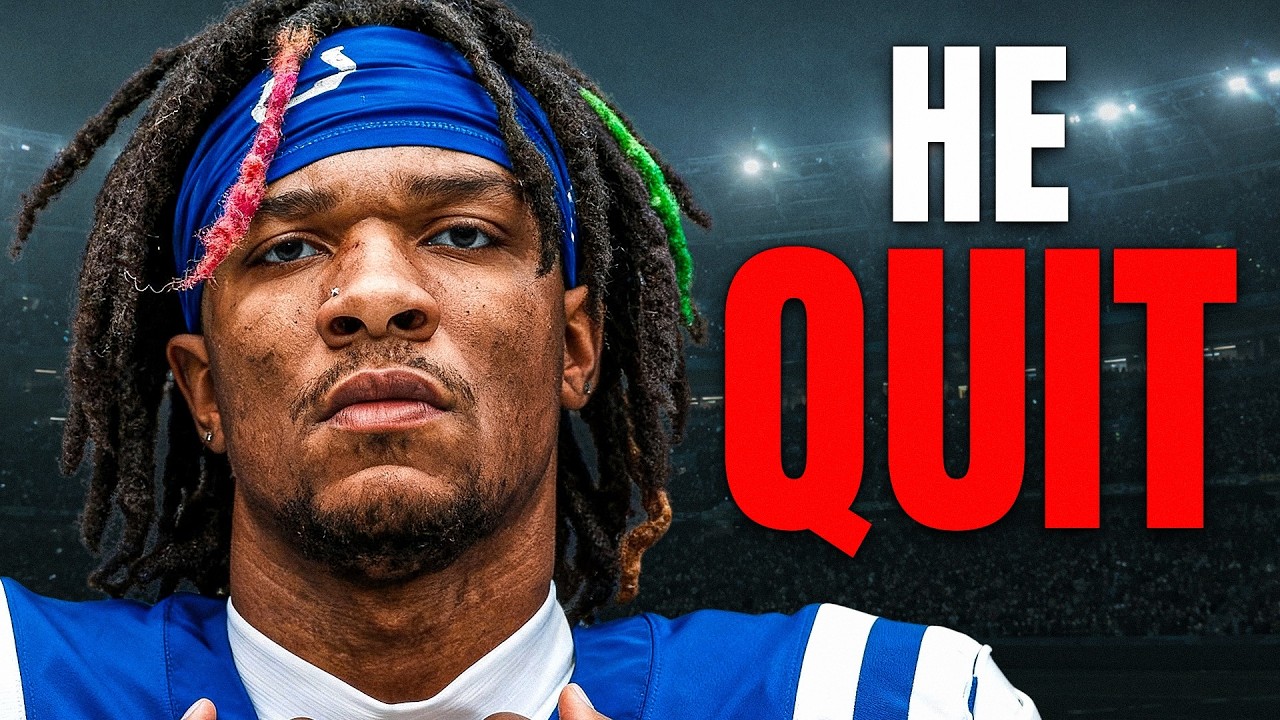
The teardown in brief
What's working
- The opening hook is genuinely strong — 'What if I told you the most athletic quarterback in NFL history was benched after just two seasons' lands the curiosity gap immediately, and the three follow-up questions give the viewer a mental checklist to track through the video
- The combine section (5:40–7:03) is the best single beat in the video — the escalation from 4.43 40-time to vertical jump record to broad jump record to perfect relative athletic score creates a genuine 'holy shit' moment that earns viewer investment before you show him fail
- The tap-out scene at 11:36 is a perfect documentary climax — the audio clip of Richardson saying 'I just needed a break right there,' followed by the radio hosts losing their minds, is viscerally memorable and validates everything the first half built toward
What's costing attention
- The sponsor placement at 9:33 is structurally catastrophic — it interrupts the story at peak tension, right before the biggest dramatic beat, and gives every wavering viewer a clean exit ramp
- The video never delivers a verdict. You open with three questions about why Richardson failed, build 19 minutes of evidence, and close with 'the question is, will anyone give him a shot?' — the analytical payoff the viewer came for never arrives
- The audio delivery at sustained VERY_LOUD throughout removes the emotional texture that makes documentary beats land — the Philip Rivers moment and the eye-fracture scene are objectively devastating facts, but they're delivered at the same energy as the combine stats, which flattens both
The first 30 seconds
What if I told you the most athletic quarterback in NFL history was benched after just two seasons in the league? Anthony Richardson was supposed to be impossible to stop. At 6'4, 244 lbs, he moved like a wide receiver and had a cannon for an arm. But after just three seasons in the league, no team wanted him. So, how
Hook fires at 0:00 with the core mystery clearly stated — 'the most athletic quarterback in NFL history was benched' — and the three follow-up questions give viewers a mental framework for the whole documentary within 30 seconds. Strong Tier 1 delivery.
Where viewers drop
9:33 — Sponsor Mid-Climax (critical)
The sponsor read drops in at exactly the wrong moment — you just revealed Richardson completed 31% of his passes and mentioned he's in the same company as Josh Allen, and then you pivot to a mattress ad for 95 seconds. The viewer is leaning in because the story is about to explode, and you've just given them a full exit ramp.
Why it matters — This is the worst possible placement — the dramatic tension you built across eight minutes evaporates the moment you say 'Bear Mattress.' Viewers who stick through it have to mentally re-engage with a story that was about to hit its peak.
18:40 — Flat Ending — No Verdict (moderate)
The last 24 seconds are 'he just needs one team willing to take a chance — the question is, will anyone?' and then straight into a card push. You've spent 19 minutes building a case about why Richardson failed and you never deliver your verdict. The viewer finishes without a thesis.
Why it matters — Documentary viewers came for your analysis, not just the timeline. Ending with an open question feels like the essay stops mid-argument. This causes immediate exits the moment viewers sense there's no payoff coming — and it hurts watch-time right before the card push.
0:00 — Audio Energy Mismatch Throughout (moderate)
95% of this video sits at -9 to -11dB — sustained shouting intensity from the first second to the last. This is a sports documentary-essay, not a hype reel. The audio never drops to match the quieter investigative moments (like the 'warning signs were always there' beat or the combine breakdown section), which means the emotional contrast that makes documentary delivery land never arrives.
Why it matters — For a football-fan audience watching a biography analysis, sustained peak energy creates fatigue. The moments that should hit hardest — the tap-out, the orbital fracture, the 44-year-old Philip Rivers taking his job — all land at the same volume as the warm-up stats. When everything is loud, nothing is loud.
14:00 — Back-Half Roadblock Pileup With No Relief (mild)
From 14:00 to 18:40 — the last four and a half minutes — it's unbroken bad news: Daniel Jones signing, preseason injury, Jones outperforms him, resistance band eye fracture, Rivers takes his job, no teams interested. Every beat is a loss and there's no comedic relief, no small win, no analytical pause to break the cascade.
Why it matters — Sustained bad-news delivery without contrast starts to feel less like analysis and more like piling on. Viewers disengage from pure tragedy loops — they need a moment to process before the next hit lands.
How the video is built
- 0:00 Setup — The Promise and the Questions
- 0:32 The Making — High School to Draft
- 6:53 The Breaking — NFL Career and Collapse
- 18:40 The Verdict (Partial)
What any creator can steal
- Move the sponsor out of the climax zone
- Add a 30–45 second verdict to close the three questions you opened with
- Vary your delivery energy in the final four minutes — the devastating beats need room to breathe
- Plant explicit stake reminders at the two-thirds mark and final act
- Trim or restructure the Daniel Jones comparison section to avoid the piling-on feeling
- Sponsor positioning: choose your sponsor placement before you start writing the script, not after. Map your story arc, identify the two or three natural chapter breaks, and slot the sponsor at the one with the lowest narrative momentum. Mid-climax sponsorship is the single most damaging retention decision you can make in this format.
Want this on your own video?
Paste any YouTube URL and Retti maps every drop, spike and plateau to the moment that caused it.
Analyse a video free